Real Life Nutrition
Understanding everyday eating patterns, food choices, and energy in practical, real-world contexts. This site explores how busy schedules, family dynamics, work environments, and daily routines shape what we eat—without judgment, without prescriptions.

Real-Life Nutrition Patterns in Busy Days
When life gets busy, eating becomes functional. People don't always sit for structured meals. Instead, they eat between meetings, during commutes, or while managing household tasks. These are not failures or bad habits—they're realistic adaptations to modern life.
Understanding these patterns helps us recognise that food choices aren't made in a vacuum. They're influenced by available time, access, mood, and competing priorities. A sandwich eaten at a desk isn't inherently less nutritious than a prepared dinner, though the circumstances differ.

Family and Social Meal Influences
Food is never purely individual. Family traditions, cultural backgrounds, social gatherings, and shared meals shape our eating habits. Weekend gatherings differ from weekday routines. Holiday meals carry emotional weight. School runs dictate timing. Workplace cultures influence lunch choices.
These aren't obstacles to overcome—they're part of how nutrition actually works in real life. A family pizza night, a workplace birthday cake, a Sunday roast—these moments matter because they connect eating to relationships and joy, not just fuel.
Workday Eating Realities
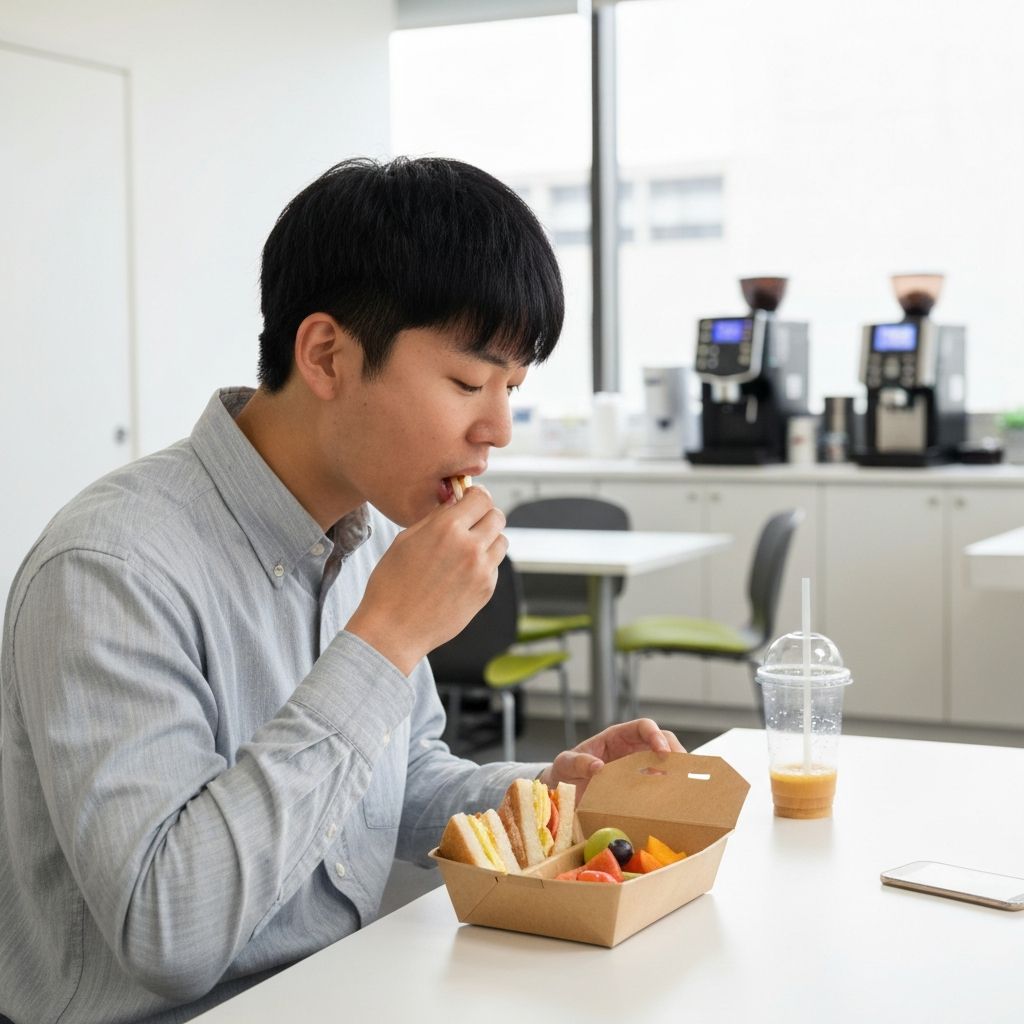
Work shapes eating more than many realise. Break schedules, desk availability, kitchen facilities, food options nearby, and stress levels all influence what gets eaten and when.
Someone working from home may eat more regularly but with fewer choices. Someone in a busy office might grab quick options. Someone with irregular shifts faces different challenges entirely. These aren't personal failings—they're structural realities that affect food choices.
Weekend vs Weekday Food Choices
There's often a clear difference between weekday and weekend eating. Weekdays are usually faster, more convenience-focused, more routine. Weekends often allow more time for cooking, trying new things, eating socially.
This isn't inconsistency—it's realistic adaptation to different contexts. Understanding these natural rhythms helps make sense of actual eating patterns rather than expecting uniformity across all days.

Energy in Imperfect Routines
Energy—the basic biological fuel—doesn't care about perfection. Whether calories come from a prepared meal or a grab-and-go option, whether vegetables are raw or cooked, whether eating happens on schedule or on-the-fly, the body still processes and uses available energy.
Everyday nutrition works with imperfect reality: irregular schedules, stress, fatigue, limited options, and competing demands. Understanding energy balance doesn't require an unrealistic ideal—it requires recognising how it actually plays out in actual lives.

Blog Articles
Explore detailed articles about real-life nutrition contexts:
What Busy Days Really Look Like for Eating
Common patterns when schedules are tight, time is limited, and eating becomes functional.
Read MoreFamily Meals and Their Natural Influence
How family traditions, gatherings, and shared meals shape everyday food choices.
Read MoreEnergy Ups and Downs in Real Routines
Understanding basic energy balance within realistic daily patterns and contexts.
Read MoreFrequently Asked Questions
This site provides educational content about everyday nutrition—how eating actually happens in real-world contexts rather than ideal scenarios. We explore patterns, influences, and practical realities without offering medical advice or prescriptions.
No. This is educational content only. For medical concerns, dietary restrictions, or health conditions, please consult qualified healthcare professionals. We provide general information, not personalised guidance.
No. We explain and describe; we don't prescribe. We don't offer services, coaching, meal plans, or personalised recommendations. This is an informational resource only.
You can reach us via the contact form or email [email protected]. For health-related questions, please consult appropriate medical professionals.